

The Confusion of Carcosa
When the credits roll on Housemarque’s Saros, most players are left staring at the screen with one burning question: was it all a dream? The secret ending, the game’s true conclusion, is a jarring shift from the cosmic horror of Carcosa to a startlingly mundane reality. We inhabit Arjun Devraj, a Soltari Enforcer battling Lovecraftian nightmares and reality-warping eclipses to find his lost wife, Nitya. Then the final cycle breaks, the neon glow of alien ruins fades, and the police lights take over.
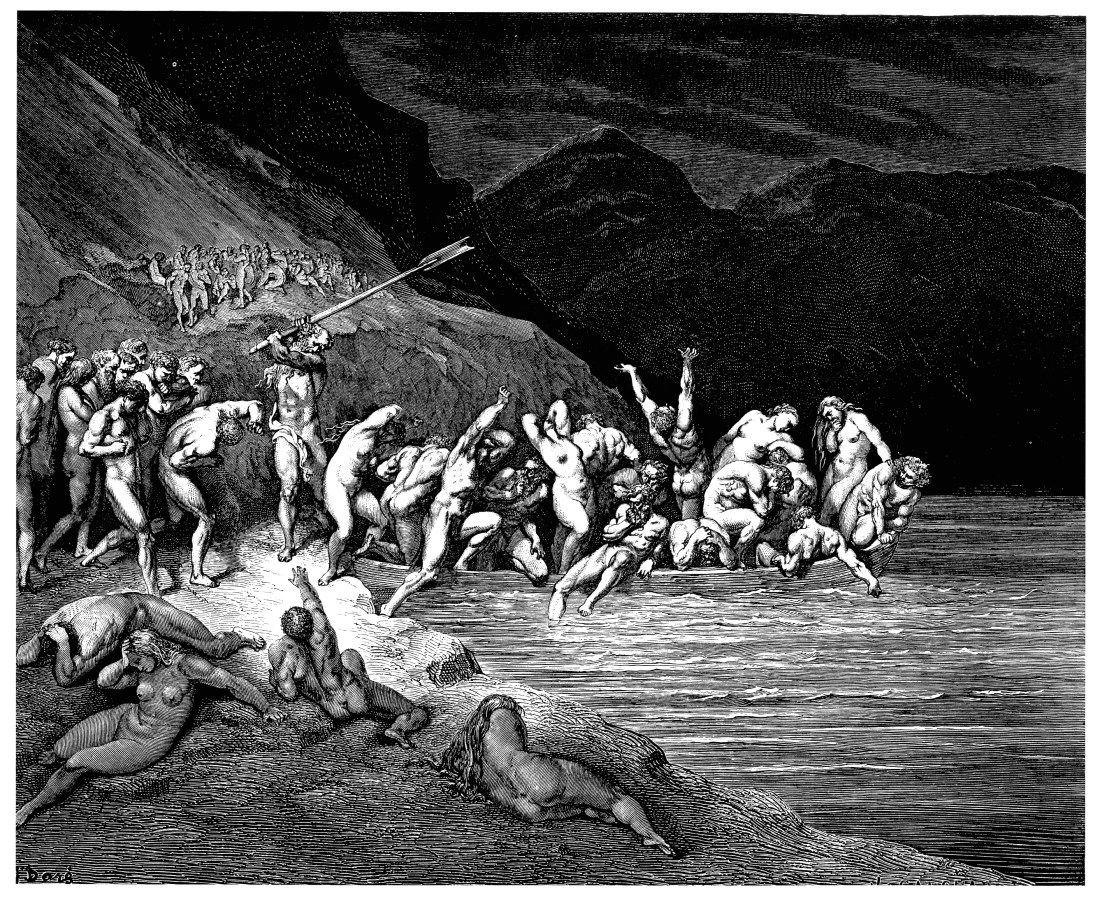
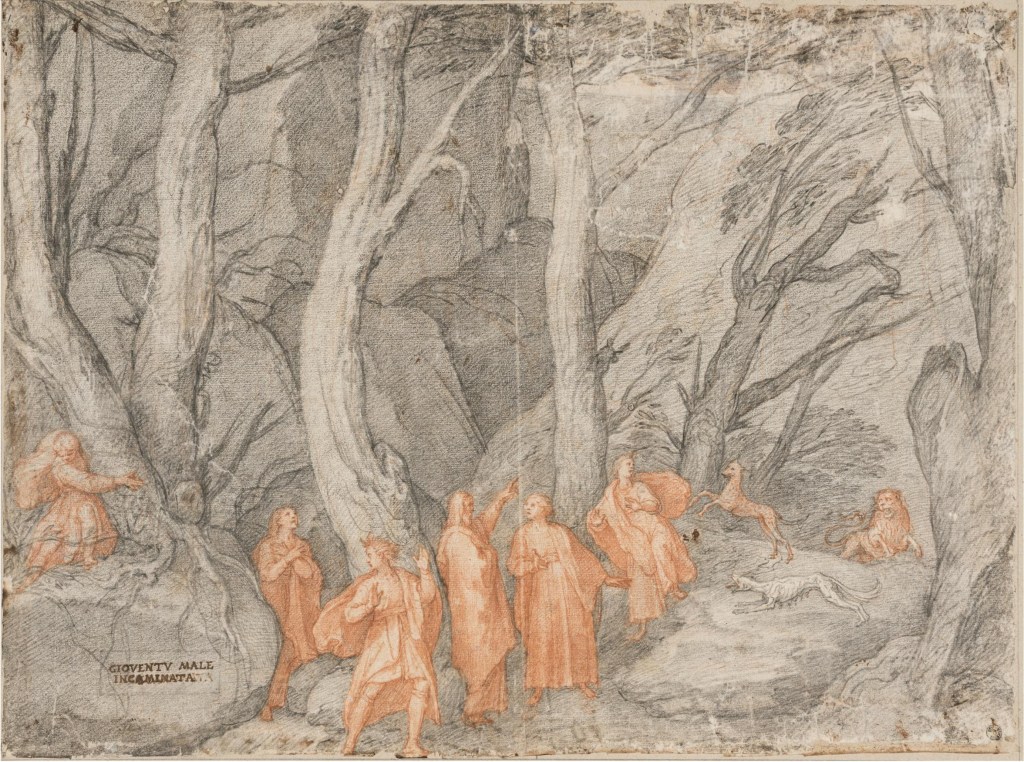
The confusion isn’t a failure of the story. Saros looks at first like a space adventure or a rescue mission. My read is that it’s something colder: a psychological gauntlet built to strip away the “Hero” mask Arjun wears to protect himself from what he did to his partner, Sebastian, back on Earth. The journey through Carcosa is a modern, digital reimagining of Dante’s Divine Comedy, where the ultimate prize isn’t a better weapon. It’s the courage to face the truth.
Lucenite: The Fuel of Human Desire
To understand the tragedy of the Echelon missions, you have to understand the “Miracle of Carcosa”: Lucenite.
To the Soltari Corporation, Lucenite was the ultimate corporate prize. A mineral so energy-dense that a single kilogram could power a city for a decade. That was the official story behind the hundreds of crew members sent across the stars on four successive Echelon missions.
But on the reading I want to propose, Lucenite is something else entirely. Not space coal. A psychic catalyst. The native miracle element of a planet that seems to produce power and change, but whose real function is reactive… feeding on whatever lies at the ardent core of the person holding it, and amplifying it. Lucenite reflects the soul.
The Mirror of the Soul
The planet acts as a mirror. What it gives back to you is whatever you brought.
The Overlords (Greed and Control): The leaders of Echelon I — Delroy and the rest — arrived with hearts full of ambition. Lucenite obliged. It made them the literal Kings of the world, at the cost of their humanity. They are the biomechanical monsters we end up fighting. Grotesque parodies of their own desires.
The Priestess (Nitya): Nitya is the anomaly. What she carried into Carcosa was wonder, not appetite. So Lucenite didn’t mutate her. It transformed her. She integrated with the planet rather than colonizing it, and became something the rest of us don’t have the framework to name. Not lost. Expanded.
The Divine Comedy of Arjun Devraj
The reason the Divine Comedy lens fits Saros so cleanly is that the game has the same three-tier moral architecture. A hell of repetition. A purgatory of choice. A paradise of release.
The Inferno: The Loop and the Lie
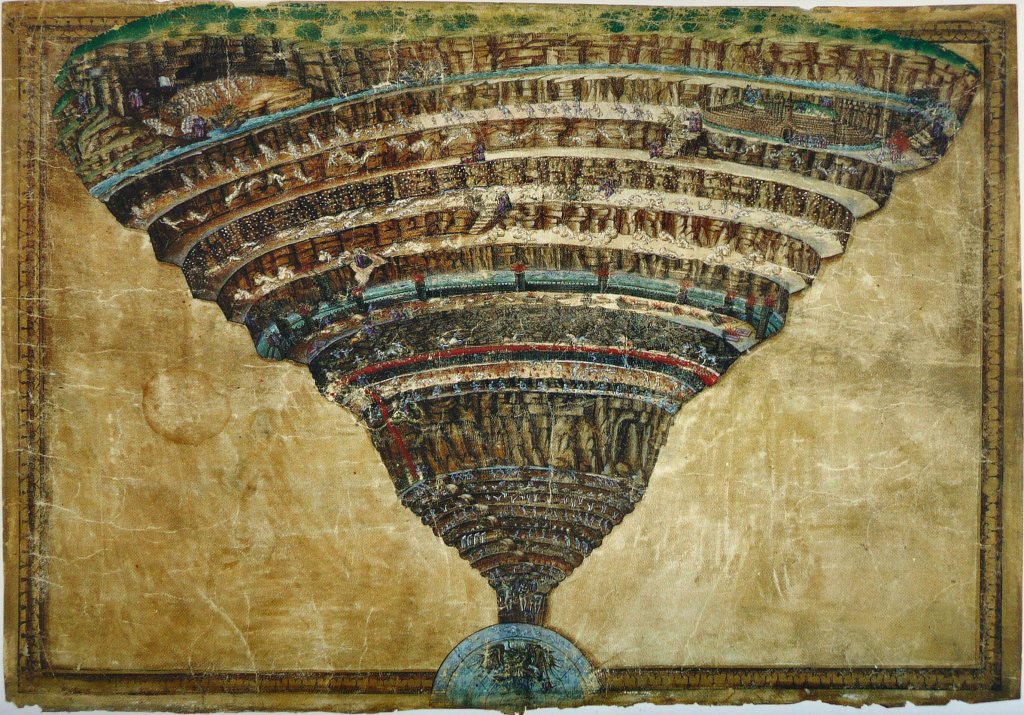
Arjun’s journey through the biomes of Carcosa is his Inferno. In Dante’s hell, the punishment fits the sin. Arjun’s sin was the murder of Sebastian. His punishment is a cycle of violence that keeps replaying the trauma of “loss”… not Nitya’s loss as we first were led to think, but the one he caused. In the Cycle Ending, where he kills the King and takes the throne, he stays in the Inferno. A monster of stagnation, repeating his worst impulses forever in a beautiful alien cage.
The Purgatorio: The Red and Blue Lights
The True Ending is the ascent into Purgatory. And the key to the parallel, the part that took me a while to see, is that Dante’s Purgatory is chosen. Souls climb the mountain because they want to. They could refuse.
So could Arjun. The volitional moment isn’t the arrest. It happens earlier, when he decides not to become the next King. He could take the throne. He chooses not to. Everything that follows — the walk away from the throne, the walk toward the police lights — is the embodiment of that earlier choice. The flashing red and blue is penance accepted. He’s stopped running.
The Paradiso: The Ascension of Nitya
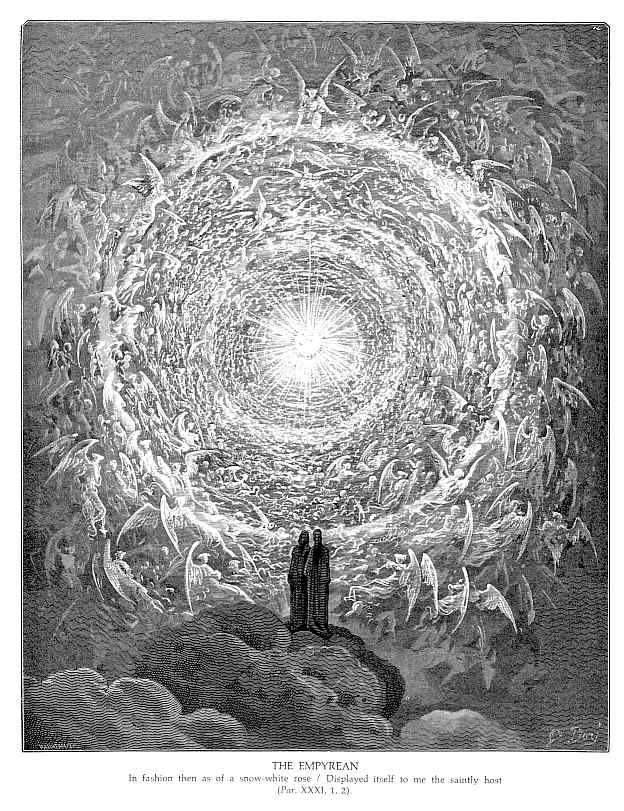
Nitya is the only character who reaches Paradiso. By harmonizing with Carcosa instead of fighting it, she becomes something that doesn’t fit our categories. She is to the rest of the cast what Beatrice is to Dante: not a goal to be reached, but a state of being that orients the protagonist’s movement without ever becoming a destination he can occupy. Arjun goes to Carcosa thinking he can find her. The truth is that nobody can.
Accountability Over Absolution
There’s a trope in AAA storytelling (where the player-protagonist contract more or less demands that you end the game feeling vindicated) that treats the hero’s internal guilt as the ultimate price. If the hero suffers enough on the inside, the narrative grants a clean slate. The mechanism is therapeutic: feeling bad pays the bill.
Saros refuses to play this game. And it refuses in a specific way. By removing Arjun’s feelings from the ledger entirely, instead of making him feel worse. The story sides with the victim. Sebastian doesn’t get to weigh in. He’s dead. The only way the game can validate him is by declining to absolve the man who killed him on the basis of how that man feels about it now.
This is what makes the True Ending land. Arjun doesn’t earn forgiveness. Arjun stops asking for it. There’s a difference between guilt as confession, a transaction where suffering buys absolution, and guilt as accountability, where you face what you did and let the consequences arrive. The Cycle Ending is the first kind. The True Ending is the second. In a medium that almost always rewards the player-character with redemption, Saros withholds it deliberately. That withholding is the argument.
The Destination Isn’t Physical
Is the journey through Carcosa futile? On the surface, Arjun ends up exactly where a murderer belongs: in custody (seemingly).
But the journey was anything but futile. Some journeys exist to bring you to the mental state where the next step becomes possible. In Saros, the destination isn’t physical. It was about more than just finding a woman who had already ascended beyond his reach. I dare say…it was about Arjun finally waking up to the fact that he was the VILLAIN of his own story.
We cannot prestige away our mistakes. We can only integrate them, face them, and walk toward the light… even if that light is coming from the top of a police car.

